
Women Changing the Game
Female micro-entrepreneurs are turning their skills into impact, often overcoming cultural, financial, and structural barriers. Their journeys are not just business stories—they’re community stories, too. According to the International Finance Corporation (IFC), India alone has nearly 15 million micro and small enterprises led by women. These women are reshaping local economies and redefining what success means.
Real Stories of Success
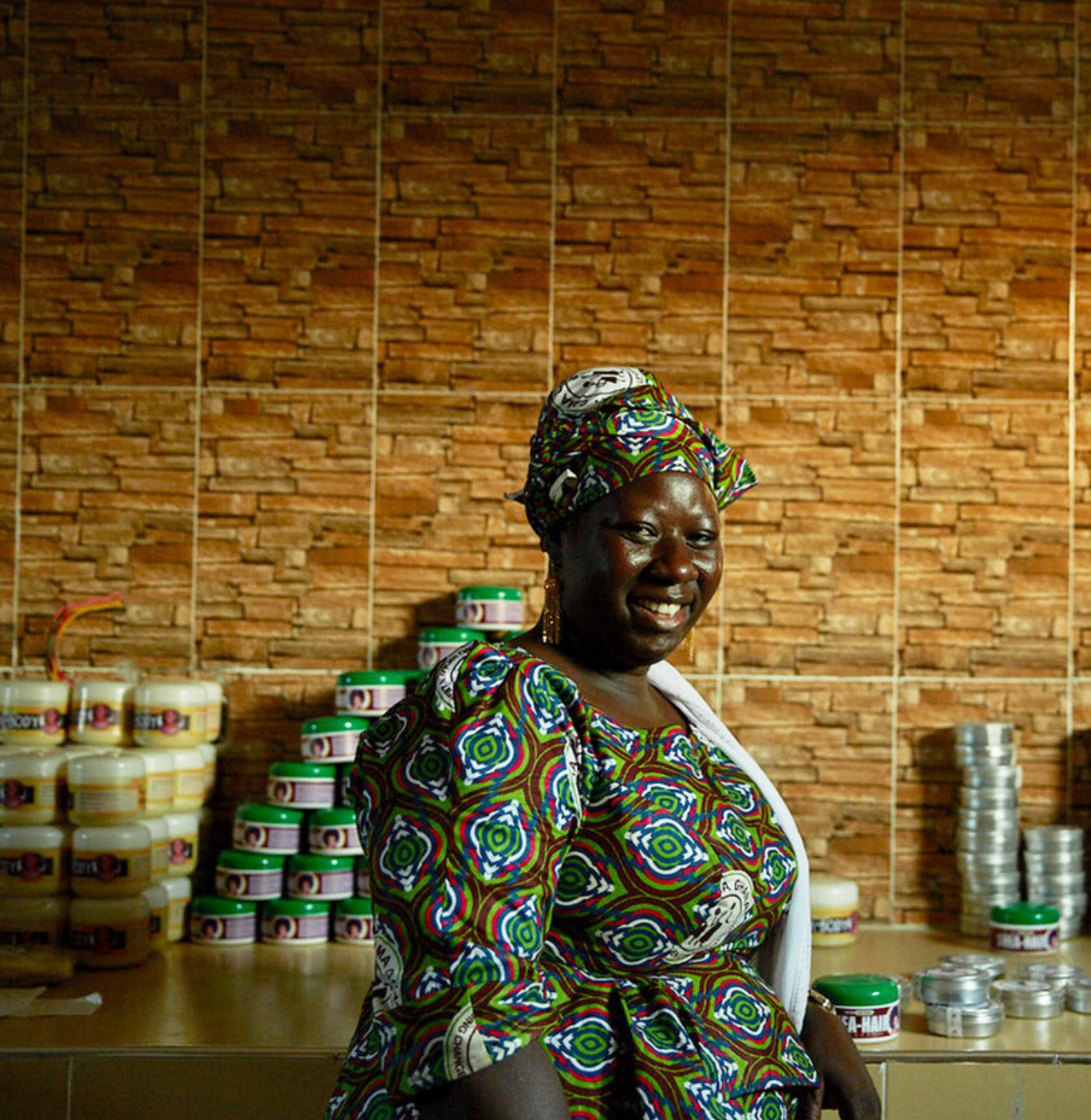
One inspiring founder is Ayisha Fuseini from Ghana, who launched her company Asheba Enterprise in 2013. She began by training rural women in shea nut processing and producing high-quality shea butter for global buyers like The Body Shop. Her work doesn’t just create income, it builds community, skills, and dignity.

Another strong example is Violeta Pacheco Mejía in Peru, who founded Tejidos Peruanos in the disadvantaged district of Villa El Salvador. Using local alpaca and cotton, she created an eco-fashion brand that provides meaningful employment and fosters collaboration among women artisans.
Shehzeen is based in the UAE and turned a personal passion for coffee into a business. While she was working in finance, she began reviewing cafés on Instagram and eventually launched her startup SIPPY in 2019, an online digital marketplace for specialty coffee beans and roasters. Her story shows how a hobby + digital tools + local insight can create a micro-business that resonates.
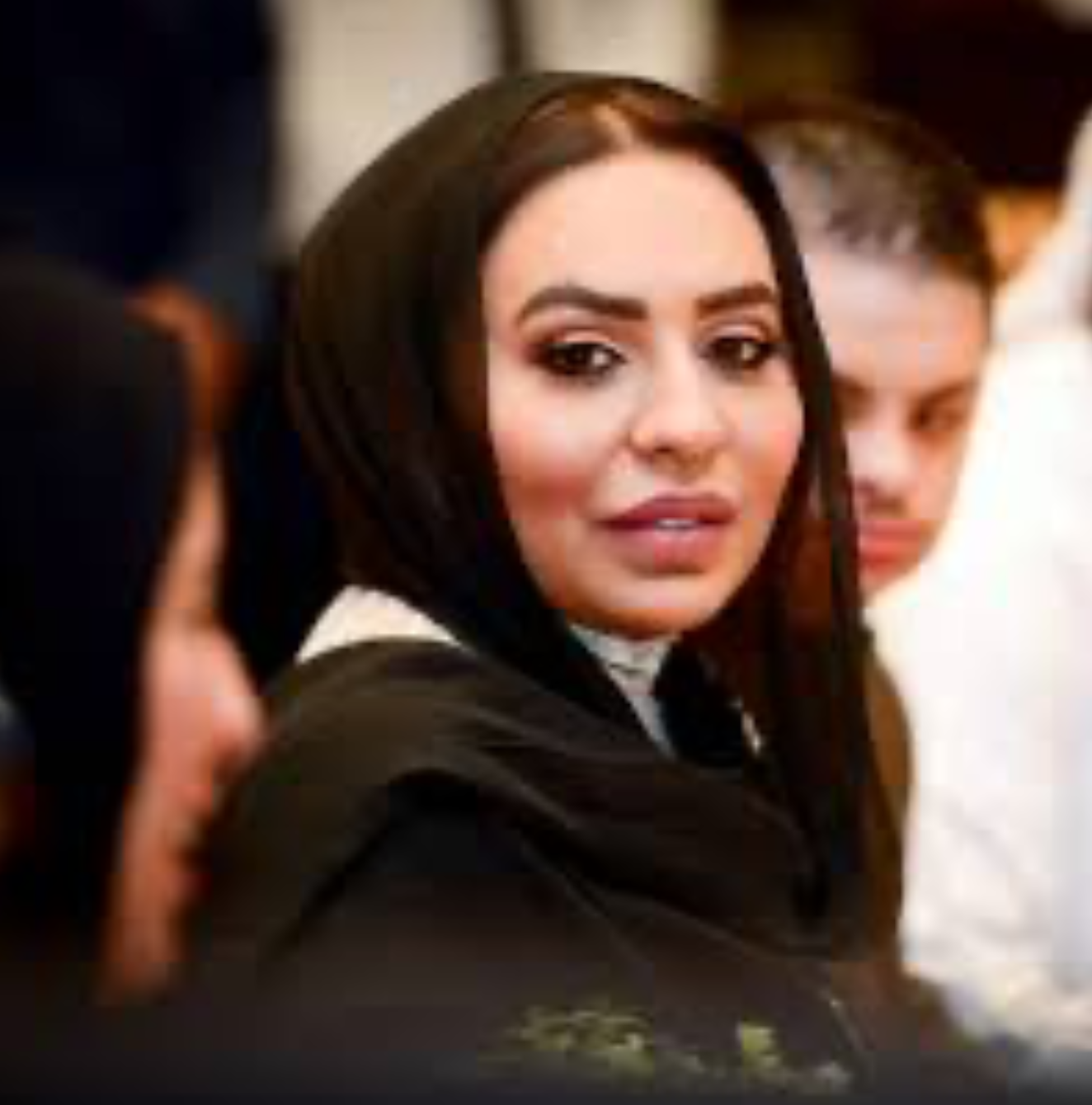

Rasha is an Emirati entrepreneur who bought the Malaysian brand PappaRoti in 2009, turning a single kiosk in Dubai Mall into a global chain of 400+ cafés and kiosks across multiple countries. The starting point was modest (her savings + a loan from her father) and she scaled smartly. Her story also demonstrates how micro-entrepreneurial roots can lead to wide success without losing the personal-founder narrative.
Support Networks That Empower
Behind many successful women micro-entrepreneurs are networks, platforms, and institutions intentionally built to lift them up. For instance, the initiative Mahila Money offers micro-loans and financial education specifically for women business owners in India. Support doesn’t just mean money, it's mentorship, peer groups, skill training, and access to markets. Communities of women sharing focus, tools, and belief create stronger growth pathways than many individual efforts alone.
Why This Matters
When women lead micro-businesses, the effect radiates outward, families become more financially secure, children gain role models, local economies strengthen. As IFC notes, women-led firms contribute to safer, greener, more inclusive communities. In emerging markets, micro-entrepreneurship by women is not just a growth story, it’s a transformation story.

Challenges and How to Overcome Them
Despite the momentum, women founders often face steeper barriers: access to financing, cultural constraints, limited networks. For example, microlending tailored for women remains a huge opportunity. The good news? Many initiatives are designing solutions: gender-sensitive finance, community training programs, mentorship and co-working models. These build self-confidence as much as they build business capacity.
Moving Forward Together
Empowering women in micro-entrepreneurship works when support becomes embedded in systems, when training, finance, networks, and culture align. Whether you’re a woman thinking about starting your own venture or someone building a platform to support female founders, the key is connection: connecting skills to markets, connection to community, and connection to belief. Women micro-entrepreneurs are more than business owners: they’re builders of lives, families, and future possibilities. Their success is collective. Their support network is crucial. Their potential is limitless.